

The Dance of Nine Voices
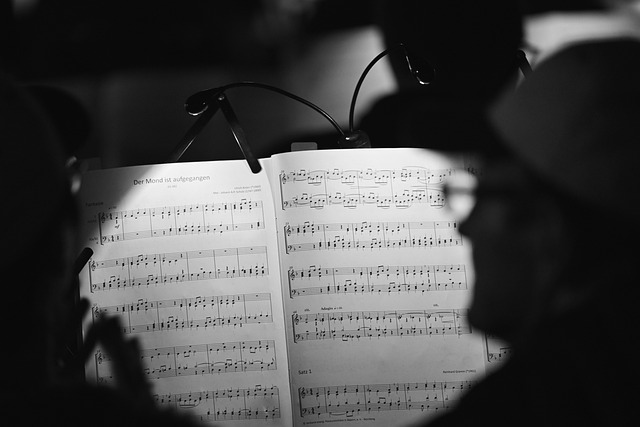
Imagine stepping into a candlelit hall where velvet drapes hush the world outside and a polished oak floor opens like a silent invitation. In one corner, nine chairs curve in a semicircle, awaiting the arrival of instruments that rarely share the same breathing space. This is the realm of the nonet, a form both intimate and expansive, balancing the transparency of chamber music with the layered glow of a mini-orchestra.
Why Nine?
Classical ensembles are often defined by their symmetry—string quartets, wind quintets, piano trios. Yet the nonet stands apart, refusing neat arithmetic. Nine players mean nine personalities, nine timbres, nine angles from which melody can spring. There is a democratic thrill in hearing a flute hand a phrase to a horn, watching a viola weave counterpoint around a double bass, and feeling a trumpet slice through with unexpected brilliance. It is an audible conversation where no voice can hide, and none can dominate for long.
Genres Inside the Genre
Though born under the “Klasszikus” banner, the nonet opens gateways to multiple musical genres within a single score. One movement might glow with the pastoral warmth of late Romanticism; the next might flirt with neoclassical wit or shimmer with folk-inspired dance rhythms. Because the instrumentation is variable—strings mingling with winds, sometimes percussion or harp—the palette ranges from gossamer to full-bodied radiance. Seasoned concertgoers love tracing these stylistic pivots, yet newcomers feel instantly at home, the way they might at a party where every room pulses with a different playlist.
The Ultimate Party Metaphor
Picture your favorite party: lights low, conversations overlapping, that sweet spot where each guest adds distinct color to the vibe. Replace those guests with oboe, clarinet, bassoon, horn, trumpet, violin, viola, cello, and contrabass, and you have a sonic celebration. The host—your composer—prepares rooms of sound where duets become trios, where a suddenly hushed beat invites everyone to lean in. The result mirrors music culture itself: equal parts ritual and spontaneity, reverence and release.
Bridging Eras, Bridging Audiences
In the streaming era, where playlists leap from Baroque to techno in seconds, the nonet feels startlingly modern. Its flexibility foreshadows the genre-blending ethos of today’s DJs and producers. A nonet score can slip a ragtime cadence between lush romantic chords, or quote a medieval dance beneath jazzy syncopation. Listeners raised on shuffle mode feel intuitive connection; connoisseurs relish the craftsmanship.
Hosting Your Own Nonet Moment
You don’t need a gilded salon or tuxedoed waitstaff. Dim the lights, queue a recording of Spohr’s perennial favorite Grand Nonetto, or give Louis Farrenc’s sparkling Nonet in E-flat a spin. Gather friends who normally debate playlists, pour something fizzy, and let the nine voices demonstrate that classical music can be as alive, curious, and communal as any rooftop DJ set. When the final chord blooms and the room falls briefly silent, notice how the shared thrill feels identical to that instant at a great party when the crowd senses the next track could change everything.