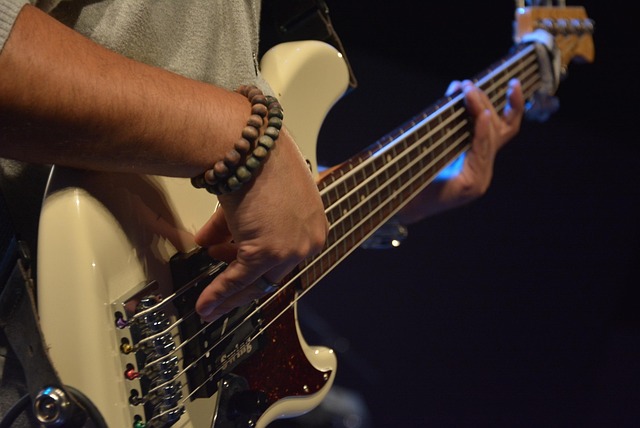
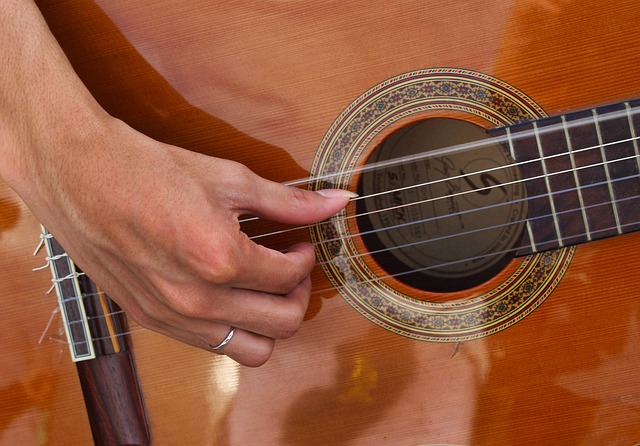

Close your eyes for a moment and imagine the first time a walking bass line made your foot tap of its own accord. That involuntary motion is the starting point of Jazz education: the study of how sound, swing, and spontaneity speak directly to the body before the mind has a chance to take notes. Within the vast universe of music, jazz occupies a constellation where rules are learned primarily so they can be bent, stretched, and syncopated. Every rehearsal room, dim club stage, or carefree house party becomes a classroom, and every horn solo a lecture on risk-taking and possibility.
When newcomers step into the world of Jazz, they quickly learn that genre labels are porous. Bebop, swing, Latin jazz, funk fusion—each sub-style is less a rigid category and more a dialect inside one larger musical conversation. Students study standards by Duke Ellington and Charlie Parker, yet within the very first chorus they are encouraged to insert their own phrases. The result is a thrilling contradiction: Jazz education values tradition while demanding originality.
Beyond scales and chord charts, teachers emphasize listening as the core skill. From late-night jam sessions in college basements to spontaneous brass battles at city festivals, players exchange licks the way party-goers exchange laughs. A drummer drops a polyrhythm; a saxophonist replies with a burst of chromatic fireworks. The room erupts. In that electric instant, theory transforms into lived, collective experience—a hallmark of music culture at its most vibrant.
But why does this learning process resonate so deeply with both musicians and casual fans? Perhaps it is because jazz mirrors life’s own unpredictability. Melodies stray, rhythms stumble, then recover in triumphant cadence. In workshops, mentors often stop the ensemble mid-song and ask each student to improvise a single measure. Heartbeats quicken. Palms sweat. Then, as the note leaves the horn, there’s a rush of liberation no written exam could ever provide. This emotional education spills over into everyday celebrations; the same freedom is felt on dance floors where strangers invent moves to grooves that never existed before.
Party settings, in fact, are laboratories for real-time feedback. A band might segue from a classic swing tune into a neo-soul vamp, gauging the crowd’s response with every phrase. Such genre-blending experiments illustrate one of jazz’s greatest lessons: respect the roots, but let curiosity steer the night. It’s here that students learn how harmony not only pleases the ear but galvanizes community spirit. A simple blues turnaround can make revelers of all ages shout in unison, proving that jazz is neither antiquated nor exclusive—it is perpetual invitation.
The classroom component of Jazz education complements these lived moments. Ear-training drills sharpen perception; history seminars recount stories of resistance, migration, and cultural fusion. When students discover that swing rhythms once fueled clandestine parties in segregated clubs, they grasp jazz as both musical genre and social movement. They hear how bebop’s breakneck tempos doubled as political statements, challenging mainstream norms with every crashing cymbal.
Ultimately, the more one studies jazz, the more porous the walls between genres, parties, and pedagogies become. A theory worksheet on altered dominants morphs into a Saturday-night jam. A casual Spotify dive into modal tunes awakens curiosity about Indian raga structures. The journey never resolves, much like the suspended chord that promises to resolve but chooses another unexpected interval instead. That playful refusal to settle is the heartbeat of jazz—and the enduring gift of its unique educational path.