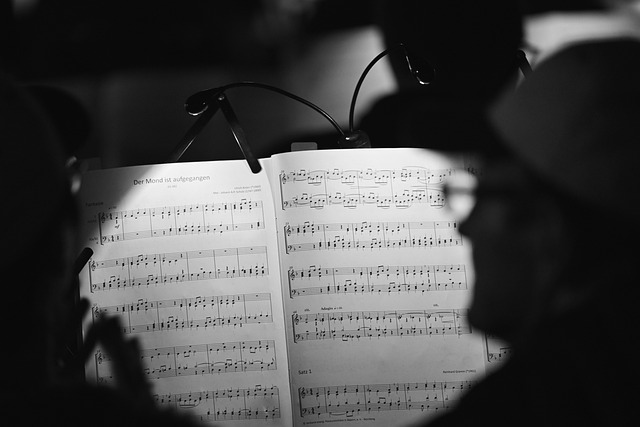


If you grew up in a classic family, you probably know the soundtrack of Sunday afternoons: a gentle hum of Bach from the living-room speakers, dad tapping the rhythm of Vivaldi on the coffee table, and a sister secretly smuggling in a disco single between movements of Mozart. Within the category of Klasszikus, that domestic scene feels almost universal—timeless notes flowing through hallways, weaving together generations that seem, on paper, wildly different in taste. Yet there’s magic in that shared soundscape; it frames the way many of us discover the diversity of music culture and eventually find our place on the dance floor.
From Chamber Hall to Living-Room Lounge
The journey usually starts with the purest form of listening. A record of Beethoven’s Late Quartets spins and, for a moment, the home transforms into a miniature concert hall. The members of the classic family pick out their own melodic threads: mother admires the architecture of harmony, brother is fascinated by the cellist’s deep growl, and you sit in awe at how silence itself becomes part of the piece. This ability to stop time is the first party trick classical music teaches—suspended anticipation, collective breath-holding before the cadence resolves.
Genres that Grow Together
As children of a classic family, we often broaden our ears before we can even name what we’re hearing. Baroque counterpoint plants seeds that later blossom in jazz improvisation; Romantic symphonic swells foreshadow the drop in electronic dance music. These hidden bridges reveal a genre continuum rather than a set of guarded islands. One moment you marvel at Tchaikovsky’s orchestration; the next, you’re recognizing his influence in cinematic scores or symphonic metal tracks. The realization that musical genres converse across centuries becomes its own invitation to the party.
When the Party Sneaks In
No matter how austere a household may pretend to be, sooner or later a beat sneaks past the harpsichord. At first it’s subtle—maybe a tango in the kitchen while pasta boils. Soon that pulse morphs into funk bass lines at a birthday gathering, and eventually, your classic family finds itself dancing to a remix of Debussy layered over house rhythms. Classical etiquette meets club culture, forcing everyone to renegotiate their listening posture: can one waltz to four-on-the-floor? Absolutely, and the hybrid energy is electric.
The Culture of Listening, Watching, Moving
In the broader realm of music culture, being raised on Klasszikus values shapes how we experience live events. We show up early, we hush when the lights dim, yet we cheer loudly at the encore. At festivals, that same respect translates into mindful crowd behavior—holding space for soft intros, lifting others during euphoric climaxes. The etiquette we inherit from salon concerts becomes a language of empathy on today’s packed dance floors.
Rituals that Bind Generations
Every classic family has rituals: the annual Nutcracker outing, the summer strings camp, the late-night vinyl session where rare pressings spin like whispered secrets. These customs generate inside jokes—calling a sudden beat drop a “Mahler moment,” or rating the DJ’s phrasing the way grandparents once critiqued phrasing in Brahms. They create a living museum of memories where the curator is time itself, and the exhibits are ever-changing as new tracks join the collection.
A Never-Ending Score
This intimate alliance between the sanctity of classical works and the raw thrill of a party soundtrack crafts an evolving identity. Once we recognize how quadruple meter can cradle both a minuetto and a techno stomp, the walls between concert hall and club dissolve. The classic family spirit reminds us that music, at its core, is communal storytelling. Whether the tale is whispered by a solo violin or shouted by a festival crowd, we keep turning the page, dancing between staves, eager for the next movement to begin.